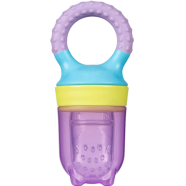
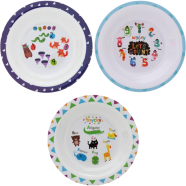
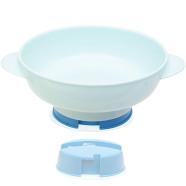
Baby Plate
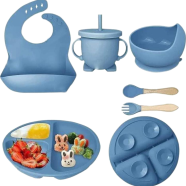
Baby Plate is a children's tableware designed specifically to help infants and toddlers learn how to eat solid foods safely and with minimal mess. This practical feeding item supports weaning, snacks, family meals, daycare routines, and early self-feeding practice.
Food-grade silicone offers soft and flexible handling throughout active feeding sessions. BPA-free plastic keeps tableware light and manageable during regular use. Strong suction bases reduce tipping, while divided sections organize vegetables, fruits, rice, and other foods neatly.
Many brands offer a collection of Baby Plates that are effective for various purposes at reasonable prices. At Rokomari.com, we sell a wide variety of premium brands of Baby Plates at an affordable price.
Different Types of Baby Plate
Different baby feeding utensils support weaning, portion control, independent eating, and cleaner serving. Each plate design solves specific mealtime concerns through practical materials and child-friendly features.
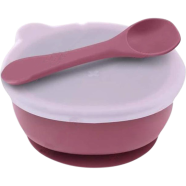
Baby Plate Silicone Suction
Baby Plate silicone suction styles support active babies who push tableware frequently. You receive steadier serving during messy weaning or finger-food practice.
Food-grade silicone offers flexibility, and wide suction bases limit movement. Raised edges guide scooping, while heat resistance supports warm meals.
Baby Plate Plastic
Baby Plate plastic styles suit daily feeding when heavy tableware feels inconvenient. You can serve snacks, rice, fruits, or mashed foods more comfortably.
BPA-free plastic supports food contact, while lightweight bodies simplify carrying. Smooth surfaces ease washing, and rounded rims improve handling.
Baby Plate Divided
Baby Plate divided styles help when mixed textures reduce a child’s interest. You can serve balanced meals while keeping different portions clearly separated.
Multiple sections organize foods, while raised dividers prevent unwanted mixing. Deep compartments hold softer meals, and wide edges support scooping.
Baby Plate Melamine
Baby Plate melamine styles work well for regular family dining and toddlers. You receive a stable choice when thin tableware bends during feeding.
Durable melamine supports repeated use, while firm construction holds meals steadily. Smooth coating simplifies cleaning, and shaped edges improve spoon control.
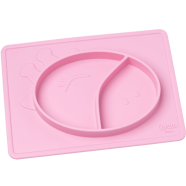
Baby Plate Placemat
Baby Plate placemat styles cover more table space during untidy mealtimes. You can encourage self-feeding while protecting highchair trays from dropped food.
Integrated silicone forms one surface, while broad coverage catches crumbs. Flat placement improves stability, and flexible construction allows easier storage.
Baby Plate Stainless Steel
Baby Plate stainless steel styles suit families wanting durability and simple maintenance. You can serve warm or cool meals without easy cracking.
Food-grade steel maintains a hygienic surface, while rust resistance supports longevity. Smooth interiors ease washing, and firm rims guide controlled scooping.
Different Brands of Baby Plate
Wee Baby
Wee Baby works best for premium placemat feeding and organized self-eating. Silicone provides flexibility, while BPA-free raw material supports safer contact. Square shaping increases serving room, and medium sizing fits common highchair trays.
Mycey
Mycey suits early self-feeding, portion practice, and engaging meal routines. Melamine construction provides firmness, while BPA-free material improves food contact. PVC-free composition avoids unwanted additives, and phthalate-free design supports thoughtful everyday feeding.
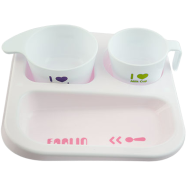
Farlin
Farlin fits regular meals requiring a strong yet lightweight serving surface. Melamine material supports repeated use, while square form organizes portions. Smooth finishing makes washing easier, and stable construction helps toddlers practise independent spoon movement.
Baby Plate Price in Bangladesh
Baby Plate prices vary according to materials, shapes, suction strength, brands, and included pieces. Basic designs meet simple feeding needs, while premium silicone placemats cost more. Current Rokomari listings generally range between Tk 749 and Tk 3,500.
How to Choose a Baby Plate
Check safety, grip, size, maintenance needs, and feeding stages before selecting.
Safety Check
Choose food-contact materials without BPA, PVC, or phthalates whenever product details remain available. Inspect rims, corners, coatings, and removable components before purchasing.
Material Match
Select silicone for flexibility, plastic for lighter handling, melamine for firmness, or steel for durability. The right material depends upon meal temperatures, washing habits, storage space, and feeding stages. Compare related baby care essentials before making a suitable choice.
Base Grip
A stable base matters when babies push, pull, or rotate their tableware. Choose broad suction for smooth highchair trays and flat dining tables. Check surface compatibility carefully, because textured wood, uneven stone, or porous surfaces may weaken grip and increase spills.
Section Layout
Choose divided sections for portion control, separate textures, and colorful meal planning. Pick an open plate when mixed foods support family-style eating habits.
Size Fit
Measure the highchair tray carefully before purchasing any feeding plate design. Large placemat styles may cover useful space, whereas narrow models can limit portions. Select a size that holds expected meals, fits storage areas, and leaves enough room for cups.
Cleaning Ease
Choose smooth, stain-resistant surfaces matching the household’s normal washing method. Review dishwasher, microwave, freezer, and sterilizing directions before regular use.
Price vs Materials
We have divided the price into three parts, based on the materials and the budget:
| Price Range | Materials |
| Tk 749–950 | Plastic, basic silicone, simple suction |
| Tk 951–1,690 | Melamine, stronger suction, divided sections |
| Tk 1,691–3,500 | Premium silicone, placemat designs, feeding sets |
Which Baby Plate material is best for daily feeding?
Safer food contact and easy maintenance are important purchase reasons. Silicone provides flexibility, while firm materials within the baby plate collection support steady daily serving.
Does a suction Baby Plate reduce mealtime spills?
Stronger table grip and better self-feeding control make suction plates useful. They perform best across clean, smooth, flat highchair trays or dining surfaces.
Should babies use divided or open Baby Plates?
Clear portion separation and better texture control support divided plates. Open designs suit mixed foods and gradual preparation for standard family tableware.
Can Baby Plates go inside microwaves or dishwashers?
Safer heating and simpler cleanup depend upon the manufacturer’s guidance. Check material labels carefully because silicone, plastic, melamine, and steel need different care.
When should parents replace a Baby Plate?
Visible surface damage and weakened suction are major replacement causes. Change plates showing cracks, peeling layers, deep scratches, loose components, or lasting deformation.
 Hotline: 16297 (9.00 AM to 11.00 PM)




 Hello, Sign in
 Cart
Cart