Kids Car
Kids Car is a children's ride-on toys makes playtime exciting through movement, steering, and imaginative driving adventures. This ride-on toy suits toddlers and young children during indoor or outdoor recreation.
A suitable model uses ABS plastic for lasting body strength, wide wheels for balanced movement, comfortable seating for relaxed riding, and smooth steering for easier direction control. These features support coordination, confidence, leg activity, and enjoyable pretend driving.
Many brands offer a collection of kids' cars that are effective for children at reasonable prices. At Rokomari.com, we sell a wide variety of premium brands of kids' cars at an affordable price.
Different Types of Kids Car
Kids' car models offer different movement systems, control methods, safety features, and play experiences for various ages.
Kids Car Push Ride-On
Kids' car push ride-on models make early movement comfortable and entertaining. Poor balance or uncertain walking can limit independent play.
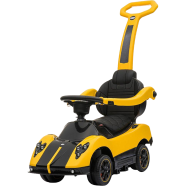
This type suits toddlers needing guided riding. ABS plastic supports durability, parent handles improve control, wide wheels increase stability, and backrests provide comfort while you supervise.
Kids Car Electric Ride-On
Kids Car electric ride-on models create realistic driving experiences through powered movement. Manual cars may feel tiring during longer play sessions.
This type works best for confident children. Rechargeable batteries provide motion, speed controls manage pace, seat belts support safety, and LED lights make driving more enjoyable for you.
Kids Car Pedal Ride-On
Kids' car pedal ride-on models mix active exercise with playful driving. Low movement may weaken regular leg activity and coordination.
This type suits energetic children. Its strong pedals support movement, grip wheels reduce slipping, steel axles hold weight, and adjustable seats improve comfort while you ride.
Kids Car Remote Control
Kids' car remote-control models offer interactive racing across smooth indoor or outdoor surfaces. Basic toys may provide limited movement and short engagement.
This type suits older children. ABS shells resist small impacts, rechargeable cells power longer sessions, responsive controllers guide direction, and rubber tyres improve grip for you.
Kids Car Pull-Back Model
Kids' car pull-back models provide quick movement without charging or separate controllers. Complicated controls may frustrate younger children during independent play.
This type suits simple racing games. Alloy bodies add weight, ABS parts protect edges, spring gears create motion, and rubber wheels offer smoother rolling for you.
Different Brands of Kids Car
Mercedes
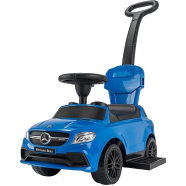
Mercedes suits children needing a spacious push car with guided movement. ABS plastic forms the durable body, non-scuffing tyres protect indoor floors, rechargeable power supports music, and a removable handle allows controlled pushing or independent riding.
Rolls-Royce
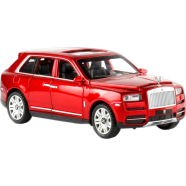
Rolls-Royce works well for realistic model-car play and birthday gifting. ABS plastic protects the outer structure, an alloy-style body creates a premium feel, pull-back gears produce forward movement, and electronic parts add engaging effects during play.
Kids Car Price in Bangladesh
Kids Car prices depend on size, movement system, body material, licensed design, battery capacity, and safety features. Current Rokomari category prices generally range from BDT 200 to BDT 20,000, although availability and discounts may change.
Simple pull-back or miniature cars usually cost less than ride-on models. A listed luxury scale model costs around BDT 3,399, while a branded push-and-pull ride-on model currently costs about BDT 9,599.
How to Choose a Kids Car
Consider age, materials, controls, size, safety, and available space before making your final selection.
Age Match
Check the recommended age before considering design or extra functions. Younger toddlers need low seats, back support, stable wheels, and parental handles. Older children can manage pedals, steering systems, electric acceleration, or remote-controlled models more comfortably.
Weight Limit
Review the supported weight carefully because an overloaded frame may bend or become unstable. Choose a car offering some extra capacity beyond the child’s present weight.
Safety Features
Look for seat belts, rounded edges, wide wheelbases, slow-speed settings, and secure battery covers. Parent-controlled models provide added support during early driving practice. Stable construction also reduces unwanted tipping across flat indoor or outdoor surfaces.
Body Material
Choose thick ABS plastic for regular riding and alloy construction for collectible models. The body should resist small bumps without sharp cracks. Smooth edges, firmly attached parts, and non-toxic finishes are important for safer daily handling.
Wheel Quality
Examine wheel width, grip, noise, and surface suitability before purchasing. Rubber or EVA wheels usually provide smoother rides across tiles and outdoor paths. Plastic wheels work better on flat surfaces but may create more sound during movement.
Power System
Manual push models encourage leg movement without charging requirements. Battery-powered cars offer music, lights, pedals, and realistic driving functions. Check charging time, battery access, replacement options, and speed settings before choosing an electric model.
Control Method
Select controls matching the child’s confidence and coordination level. Steering wheels support independent driving, while parent handles provide guided movement. Remote controls help guardians manage powered cars until young drivers understand turning, stopping, and safe speed.
Available Space
Measure the intended play area and compare it with the product dimensions. Large ride-on cars need open rooms, gardens, or driveways. Compact pull-back vehicles suit tables, floors, smaller homes, travel bags, and organised toy shelves.
Kids Car Materials and Price Comparison
We have divided the price into three parts, based on the materials and the budget:
| Price Range | Materials |
| BDT 200–1,500 | Light plastic, spring gears, basic wheels, and manual controls keep costs affordable. These models suit short indoor play, simple racing games, small gifts, and children beginning their toy-car collection. |
| BDT 1,501–7,000 | Thick ABS plastic, alloy sections, rechargeable batteries, and light systems provide better strength and interaction. These models suit regular play, remote racing, pull-back activities, and compact ride-on experiences. |
| BDT 7,001–20,000 | Reinforced frames, parent handles, wide tyres, and comfortable seats support larger ride-on cars. These models suit frequent riding, guided outdoor play, realistic driving, and families seeking more safety functions. |
What age is suitable for a kids car?
Age suitability depends on size, controls, speed, and seating design. Purchase an age-matched model for safer movement and easier handling.
Is a battery-powered kids car worth buying?
A powered model offers realistic driving and interactive play through pedals, lights, music, and steering. It suits children enjoying longer riding sessions. Check charging time, speed control, seat protection, and replacement battery availability before purchasing.
Does a kids car support physical development?
Manual ride-on models encourage leg movement and balance practice during active play. Steering also supports hand-eye coordination. However, adults should supervise each session, select flat surfaces, and follow the stated age and weight limits.
Which material is best for a kids car?
Thick ABS plastic offers lasting strength and lighter handling for most ride-on toys. Alloy material suits smaller collectible cars. Always inspect rounded edges, firmly fitted wheels, secure battery sections, and a stable frame before completing your purchase.
Can children use a kids car indoors?
Indoor use remains suitable when the model has smooth tyres and controlled speed. Keep floors dry, remove nearby obstacles, and provide enough turning space. Non-scuffing wheels can also reduce marks across tiles or wooden surfaces.
 Hotline: 16297 (9.00 AM to 11.00 PM)




 Hello, Sign in
 Cart
Cart