sunscreen
4 min read
How to Remove Sunscreen from Face - Properly for Clear and Breathable Skin
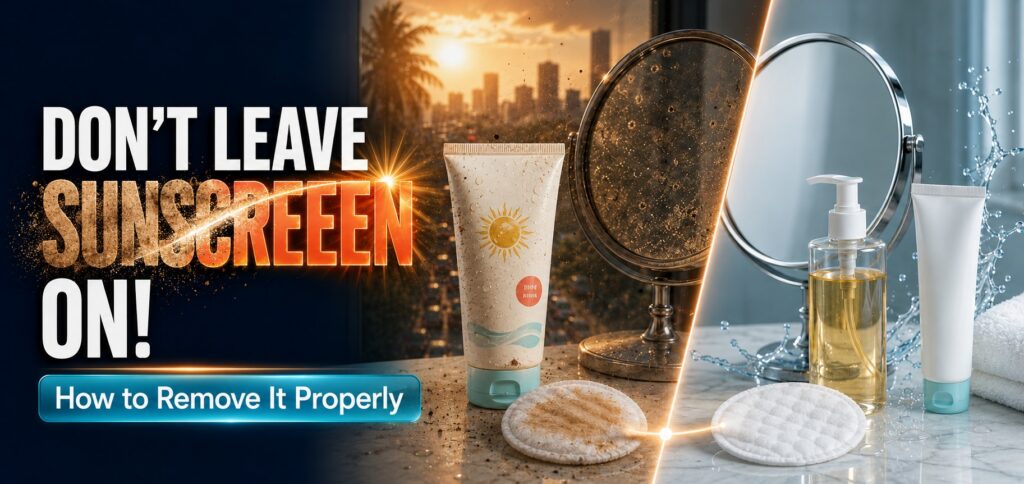
Imagine ending your day without that filthy feeling of heavy, tacky residue clinging to your cheeks. Picture your skin feeling light, soft, and fully refreshed, not dry or stinging. When you learn how to remove sunscreen from your face correctly, you are not just washing your face. You are resetting your skin’s health.
Key Takeaways
- The Double Cleanse is Non-Negotiable: Most sunscreens (especially waterproof and mineral versions) are designed to stay on through sweat and water. Standard soap will not cut it.
- Oil Dissolves Oil: Using a cleansing oil or balm is the most efficient way to break down SPF filters without scrubbing.
- Prevent SPF Acne: Proper removal helps prevent clogged pores. People often wrongly blame sunscreen for these pores.
- Protect the Barrier: Gentle, step-by-step cleansing helps prevent redness and irritation. Harsh scrubbing can cause these problems.
What Happens When You Remove Sunscreen the Wrong Way
Most people treat sunscreen removal like a standard wash. They use a foaming cleanser, scrub for 10 seconds, and wonder why they have a grease film or new whiteheads by morning.
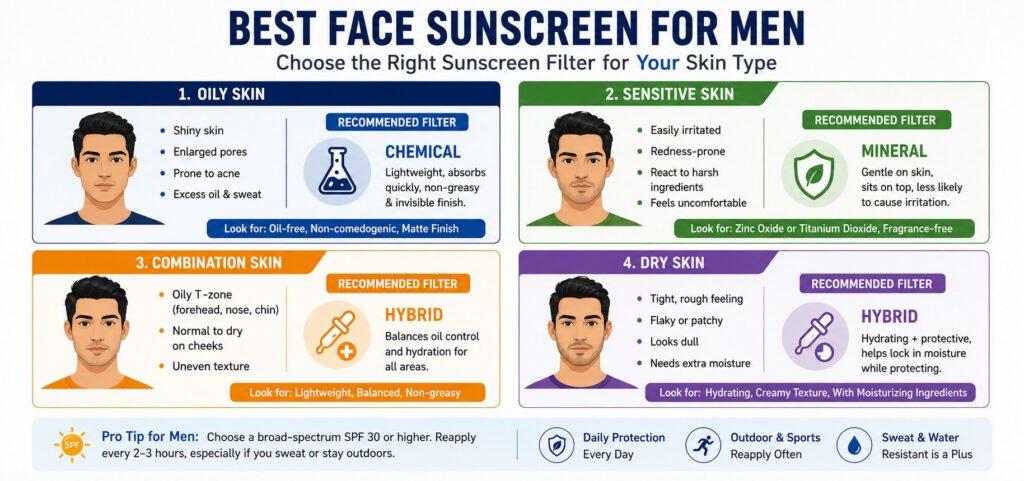
Doing it the hard way involves using harsh, astringent soaps or physical exfoliants to sand the sunscreen off. This does not just fail to remove waterproof sunscreen. It destroys your acid mantle. You end up with a damaged skin barrier: dry patches, stinging, and increased oil production to compensate for the trauma. If you are using the wrong formula, you may need to rethink your base. You might need to look for the best sunscreen for oily skin. But even the best formula can cause breakouts. This can happen if it stays in your pores overnight
Here is the secret: Sunscreen filters are lipophilic (oil-loving).
They are often made with non-polar solvents and film-formers for water resistance. Standard water-based soap cannot break down these oils properly. This is because like dissolves like. You need a lipid-based solvent, like an oil cleanser, to remove UV filters from your skin.
The shortcut to better skin is not a more expensive face wash. It is the double cleansing method. By using an oil-based agent first, you use chemistry (like dissolves like) rather than friction to lift the day's buildup from your skin. This is the essential missing link for anyone who feels like their skin is never truly clean.
How to Remove Sunscreen from Face
Follow these steps every evening after wearing sunscreen. To ensure every microscopic particle of sunscreen residue is gone. The full routine takes 5 to 8 minutes. You will get genuinely clean skin that can actually breathe, renew, and absorb your nighttime skincare.
1. Apply an Oil Cleanser or Cleansing Balm to Dry Skin
Do not wet your face first. Take a dime-sized amount of cleansing balm or oil cleanser for sunscreen and massage it into your dry face.
- You will feel the grip of the sunscreen dissolve into a silky, slippery texture. It feels like the product is melting into your skin, lifting the heavy mineral or chemical filters effortlessly.
2. Focus on Problem Areas
Massage for at least 60 seconds. Pay extra attention to the hairline, the sides of the nose, and the jawline where how to remove mineral sunscreen becomes most difficult.
Put on a 60-second timer. Known in the dermatology community as the 60-Second Rule, this duration ensures that the surfactants in your cleanser have enough time to actually emulsify the sebum and sunscreen trapped in your pores. Most people wash for only 15 seconds, leaving behind what chemists call 'residual buildup,' the primary cause of SPF-induced congestion.
- Grittiness (often called sebaceous filaments or plugs) may roll off under your fingers when the oil removes buildup from the pores.
3. Emulsify with Warm Water
Add a splash of lukewarm water to your face. The oil will transform into a light, milky fluid. You will see the products on your face change color. It is becoming lighter and more unclear as it emulsifies. This milky transformation is proof that the sunscreen is leaving your skin.
- The heaviness of the oil disappears and turns into a slippery, milky emulsion that rinses away easily and removes the SPF.
4. Water-Based Face Wash :Second cleanser with a gentle PH balanced foam or gel
Now, use your regular, gentle face wash after sunscreen. This removes any remaining water-soluble debris and ensures no oil film is left behind.
- Your skin feels clean and soft. If it feels squeaky, you may have stripped your acid mantle. Clinical studies show that over-cleansing can cause Transepidermal Water Loss (TEWL). In this condition, moisture leaves your skin because the protective lipid barrier is removed. Double cleansing helps remove dirt and sunscreen. It also protects the skin barrier.
5. Pat Dry with a Clean Microfiber Towel
Gently pat, never rub. Use a clean soft cotton towel or a dedicated face cloth.
- A cool, fresh finish that is perfectly prepped for your nighttime skincare routine.
Pro-Tips for Better Results
- The No-Makeup Myth: Even if you are not a makeup user, you still need to double cleanse. SPF and environmental pollutants can be as hard to remove as foundation.
- Micellar Water for Sunscreen: If you have ultra-sensitive skin, use micellar water for sunscreen removal as your first step. Ensure you use a saturated cotton pad and follow with a rinse.
- Water Temperature: Never use hot water. It inflames acne and compromises the skin barrier. Stick to room temperature or lukewarm (38°C / 100°F is the dermatologist-recommended sweet spot).
FAQ
Q: How do I remove sunscreen without makeup remover?
You can use plain high-quality oils (like jojoba or squalane) in a pinch, but a formulated oil cleanser is better as it contains emulsifiers that allow it to rinse off with water.
Q: Is double cleansing necessary every day?
If you applied sunscreen (which you should!), then yes. It is the only way to prevent clogged pores and sunscreen residue buildup over time.
Q: How do I wash off sunscreen if I have oily skin?
It may feel strange to use oil on oily skin. But it helps remove sunscreen properly and control sebum without causing irritation or extra oil production.
Q: Is it ok to remove sunscreen with just water?
No. Water alone cannot break down sunscreen filters particularly chemical UV absorbers or waterproof film-forming formulas. Sunscreen is specifically engineered to resist water. You need a product with oil or emulsifiers to dissolve the UV filter bonds before rinsing will actually remove them from your skin. This is why, how to wash off sunscreen with water is always answered the same way: you can not. Start with an oil-based cleanser.
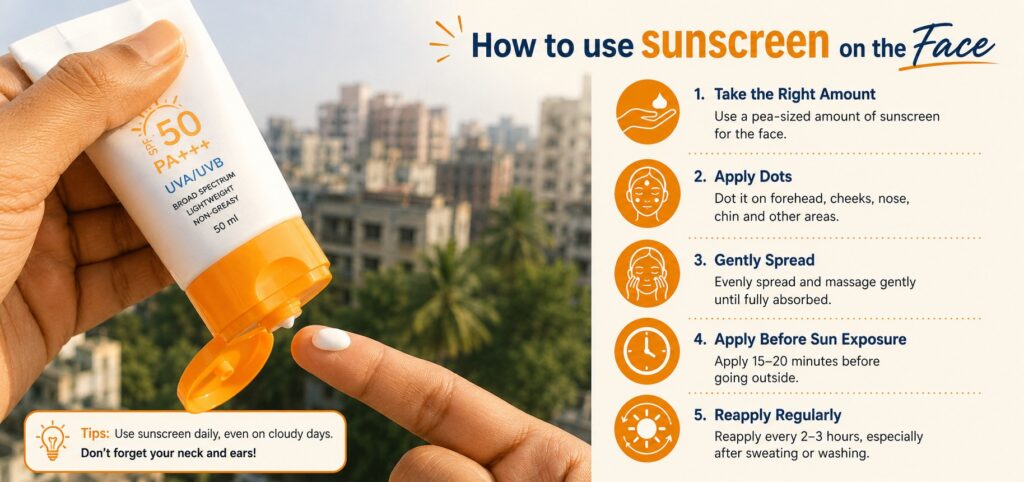
Note: For more on application, check out our guide on how to use sunscreen on your face.
Summary
Knowledge without action is just a dream. If you are tired of waking up with SPF breakouts and a dull complexion, stop treating your cleanser as unimportant.
Go to your bathroom right now. Check your cleanser. You must use an oil-based cleanser first, then a gentle wash. Otherwise, your skin still has yesterday’s sunblock. Switch to the double cleanse tonight and feel the difference in one wash. Your skin barrier will thank you.